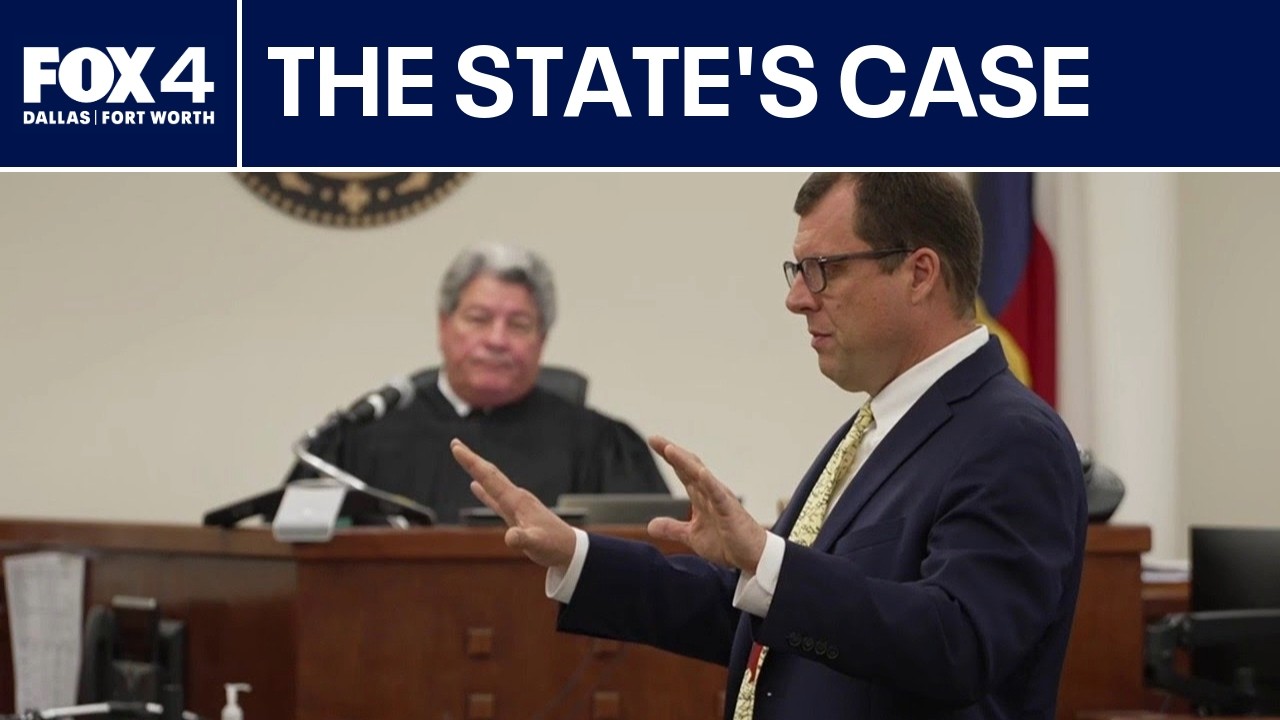
The Unfolding Drama: Day Two of the Tanner Horner Trial Shakes Wise County
The capital murder trial of Tanner Horner continues to grip the nation, drawing intense scrutiny as jurors in Tarrant County confront the harrowing details surrounding the death of 7-year-old Athena Strand. Day two of the proceedings delivered a seismic shift, with prosecutors presenting compelling video evidence, including body camera footage that captured Horner's chilling confession and his initial attempts to misdirect investigators. As the Tanner Horner Capital Murder Trial unfolds, the weight of the evidence, particularly the direct interaction between law enforcement and the accused, paints a grim picture of the events that transpired in December 2022.
Horner faces charges of capital murder and aggravated kidnapping, offenses that carry the most severe penalties under Texas law: the death penalty or life in prison without parole. The court's focus on Wednesday zeroed in on the frantic, heartbreaking search for Athena Strand and the moments leading up to Horner's arrest and subsequent admission. NBC 5's Tahera Rahman reported live from the courtroom, detailing how the jury watched hours of footage, illustrating the desperation of the search and the eventual discovery of Athena's body.
A Chilling Confession: Bodycam Reveals the Truth
One of the most pivotal moments of the trial's second day arrived with the presentation of body camera video recorded during Tanner Horner's arrest. Texas Ranger Job Espinoza, a key figure in the investigation, testified about the mindset of law enforcement during the intense search. "I felt there was a possibility that Athena was still alive and we needed to bring her home," Espinoza recounted, conveying the urgent hope that still fueled their efforts.
However, that hope was tragically extinguished during a recorded exchange between Espinoza and Horner that was shown to the jurors. The body camera footage captured Espinoza pressing Horner for crucial answers, his voice reflecting the urgency of the situation: "Where’s she at? Where’s she at? That’s the most important thing right now." The courtroom fell silent as Horner's response echoed through the proceedings: "I can show you."
The investigators, still clinging to the possibility of life, then posed the critical question: "Is Athena still alive?" Horner's reply delivered the devastating blow: "She wasn’t alive when I put her in the truck." This stark admission, captured on camera, became the cornerstone of the prosecution's case, dismantling any lingering doubt about Athena's fate and Horner's involvement. Espinoza further testified that this statement conflicted with earlier video evidence showing Horner placing Athena in the back of his FedEx van, highlighting a potential attempt at minimizing or altering the timeline of events.
- Impact of Bodycam Evidence: Body camera footage serves as a powerful, unbiased tool in legal proceedings. It offers a direct, unfiltered account of interactions, statements, and actions, often providing irrefutable evidence that can sway a jury. In the Tanner Horner Capital Murder Trial, this footage not only captured a confession but also revealed Horner's demeanor during the arrest, offering vital context for the jury.
- Understanding Legal Implications: A confession, especially one captured on video, significantly strengthens the prosecution's case. It can eliminate ambiguity and provide a direct link between the accused and the crime, making the path to conviction clearer for offenses like capital murder.
The Deceptive Trail: Horner's Efforts to Mislead Investigators
Beyond the confession, the trial shed light on Horner's initial attempts to lead law enforcement astray. Prosecutors meticulously detailed how Horner, even after admitting Athena was deceased, orchestrated an "extended search in the wrong area." Body camera footage from this phase of the investigation captured another perplexing statement from Horner: "I tossed her right in there. I don’t know why y’all haven’t found her yet."
This deliberate misdirection, described by prosecutors as a "wild-goose chase," not only wasted critical time and resources but also prolonged the agony for Athena's family and the community desperate for answers. Texas Ranger Espinoza’s testimony emphasized Horner’s calm and responsive demeanor during an interview at the Wise County Jail, where he eventually described how he "hurt" Athena before confessing he tried to kill her quickly and "tossed" her body in some bushes. Horner also maintained that he never sexually assaulted the girl and that she was clothed when he disposed of her body, a detail that while not diminishing the gravity of the crime, was presented as part of his full account to investigators.
The inclusion of this deceptive phase of the investigation in the trial highlighted a calculated effort to evade immediate justice, adding another layer to the prosecution's argument against Horner. It showcased not just the act of the crime, but also the subsequent actions that demonstrated a lack of remorse or a strategic attempt to control the narrative.
Beyond the Bodycam: Letters, Motives, and the Weight of Evidence
As the Athena Strand Case: Horner's Letters to Family Revealed in Court continues into its second week, additional evidence has been introduced, deepening the narrative beyond the initial confession. Day five of the trial saw the revelation of handwritten letters authored by Tanner Horner from his jail cell. These five letters, discovered after an attempted suicide months after the killing, were addressed to Athena’s family, his own family, his fiancée, and his church.
These letters, while not directly addressing the specifics of the crime in the same way the bodycam footage did, offer a glimpse into Horner's state of mind post-arrest. They could be interpreted as expressions of remorse, attempts at self-justification, or even strategic moves within the legal process. The chilling testimony also included details describing the fatal injuries Athena sustained, painting a stark picture of the violence involved. Athena Strand’s loved ones, often wearing pink in her memory, sat through these agonizing accounts, including details from jail calls that further elucidated the circumstances surrounding her death.
Understanding these supplementary pieces of evidence—the letters and the detailed testimony regarding fatal injuries—is crucial for the jury. They contribute to a comprehensive understanding of the defendant's actions, his psychological state, and the full extent of the tragedy. For the public following the Tanner Horner Capital Murder Trial, these elements underscore the multifaceted nature of capital murder cases, where not only the act itself but the defendant's subsequent conduct and state of mind are meticulously examined.
Seeking Justice: The Path Forward in the Tanner Horner Trial
The Tanner Horner Trial Live proceedings continue to unravel a profoundly tragic story, marked by a child's senseless death and a confession captured on film. The evidence presented, from the frantic search videos to Horner's direct admission on body camera footage and his subsequent attempts at misdirection, leaves little room for ambiguity regarding his involvement. The later revelations of his letters from jail further add to the complex psychological profile being presented to the jury.
For Athena Strand's family, the trial represents the agonizing pursuit of justice for their beloved 7-year-old. The weight of the capital murder charge, with its potential for the death penalty, underscores the severity of the allegations and the community's demand for accountability. As jurors absorb the hours of testimony and visual evidence, including the chilling details of fatal injuries, their ultimate decision will not only determine Tanner Horner's fate but also provide a measure of closure, however heartbreaking, to a community shattered by this tragedy. The relentless dedication of law enforcement and prosecutors in presenting such comprehensive evidence aims to ensure that justice, in its fullest sense, is served for Athena.