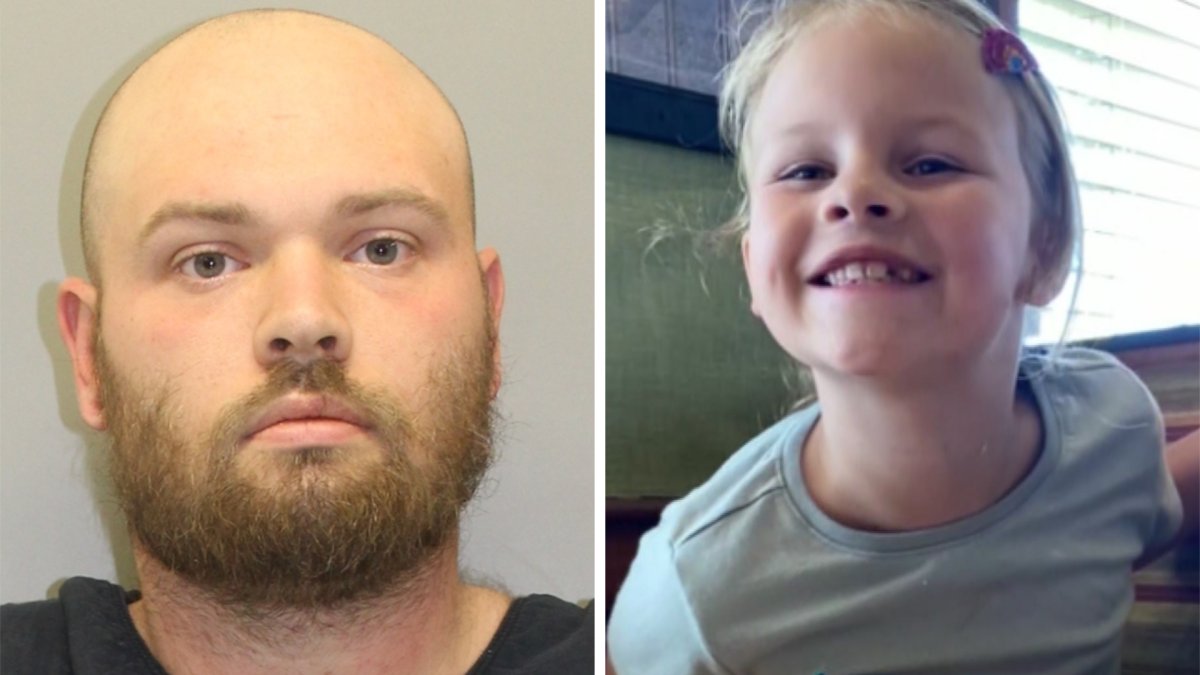
Tanner Horner Trial: Killer's Letters to Family Revealed in Court Amidst Chilling Testimony
The Tanner Horner Trial for the capital murder of 7-year-old Athena Strand has unfolded with gripping and often agonizing testimony, bringing to light the meticulous efforts of law enforcement and the harrowing details of a young life tragically cut short. As the proceedings continue, the court has recently revealed a new, chilling layer to the case: handwritten letters penned by Tanner Horner himself, addressed to Athena's grieving family and others, discovered after a reported suicide attempt. This development adds a complex emotional dimension to the already intense legal battle, where prosecutors are seeking the death penalty or life imprisonment without parole for the former FedEx driver.
For those following the Horner Capital Murder Trial, the journey through evidence has been a stark reminder of the brutality of the crime and the tireless work to bring justice. From frantic search footage to Horner's own admissions, each piece of testimony paints a clearer, albeit heartbreaking, picture of the events that transpired in November 2022 in Wise County, Texas. The revelation of his personal letters now places his own thoughts and presumed remorse (or lack thereof) directly before the jury, impacting the narrative of the ongoing Tanner Horner Trial Live coverage.
The Frantic Search for Athena Strand and Horner's Deceptive Path
The initial days of the search for Athena Strand were marked by a desperate, community-wide effort fueled by hope. Jurors in the Tanner Horner Trial were presented with hours of body camera and interview footage, vividly depicting the frantic search for the missing 7-year-old. Law enforcement, including Texas Ranger Job Espinoza, held onto the belief that Athena was still alive and could be brought home. This period of intense vigilance and investigation ultimately led to Tanner Horner, a delivery driver who had been at Athena's residence around the time of her disappearance.
However, what initially appeared to be a cooperative interaction quickly devolved into a series of misdirections. Prosecutors highlighted how Horner actively attempted to send investigators "on a wild-goose chase," wasting precious time and resources. A pivotal moment came during Horner's arrest, captured on body camera video. Ranger Espinoza, pressing for answers, asked directly, "Where's she at? Where's she at? That's the most important thing right now." Horner's chilling response, "I can show you," marked a turning point. When asked if Athena was still alive, he confirmed, "She wasn't alive when I put her in the truck."
This statement, however, was immediately suspicious to investigators like Espinoza, who had already reviewed video evidence contradicting Horner's claim. Footage clearly showed Horner placing Athena in the back of his van, a detail that didn't align with his assertion that she was already deceased at that specific moment. Despite leading officers on an extended search in the wrong area, Horner maintained a calm demeanor during subsequent interviews at the Wise County Jail. It was there that he eventually confessed to "hurting" Athena and "tossing" her body in some bushes. He consistently denied any sexual assault, stating she was clothed when he disposed of her body. This sequence of deception followed by a calm confession is a critical aspect of the Horner Capital Murder Trial, as it speaks to his state of mind and intent.
Letters from Jail: A Glimpse into the Killer's Mindset
As the Tanner Horner Trial entered its second week, the courtroom was met with a profoundly impactful revelation: handwritten letters authored by Tanner Horner himself. These five letters, discovered in his jail cell following an attempted suicide months after Athena's murder, were addressed to various individuals and groups, including Athena's family, his own family, his fiancée, and his church. The unveiling of these documents added a raw, personal dimension to the legal proceedings, offering a potential window into Horner's mindset.
While the exact content of these letters has not been fully detailed in public reports, their mere existence and target recipients raise numerous questions. Are they expressions of remorse, pleas for forgiveness, attempts at self-justification, or even a form of manipulation? For Athena's family, who attended court dressed in pink as a tribute to their beloved daughter, these letters must carry an immense emotional weight. Such communications can be powerful pieces of evidence in a capital murder trial, potentially influencing the jury's perception of the defendant's character, understanding of his actions, and ultimately, their decision regarding sentencing. The defense might attempt to portray them as a sign of regret or mental anguish, while the prosecution could argue they are self-serving or insufficient given the gravity of the crime. The impact of these letters on the live proceedings of the Tanner Horner Trial Live is undoubtedly significant.
The Weight of Justice: Capital Murder Charges and Accountability
Tanner Horner faces charges of capital murder and aggravated kidnapping, the most severe classifications under Texas law. If convicted, the jury will decide between two possible sentences: the death penalty or life in prison without parole. This profound decision underscores the immense responsibility placed upon the Tarrant County jury. Prosecutors are diligently presenting evidence to convince the jury that Horner's actions warrant the ultimate penalty, meticulously detailing the events leading to Athena's death and Horner's subsequent behavior.
The pursuit of justice in a case of this magnitude is not merely about legal precedent; it is deeply intertwined with the quest for accountability and peace for Athena's family and the wider community. The trial has highlighted the devastating impact of such crimes, particularly against vulnerable children. Every piece of testimony, from the forensic details of Athena's fatal injuries to Horner's own words and now his letters, is meticulously weighed. The legal process, while methodical, is a painful journey for all involved, especially for Athena's loved ones who continue to seek answers and a just outcome in the Horner Capital Murder Trial.
Beyond the Courtroom: Community Vigilance and Child Safety
While the Tanner Horner Trial Live proceedings focus on bringing justice for Athena Strand, her tragic story also serves as a somber reminder of the ongoing need for child safety and community vigilance. Cases like this underscore the importance of collective responsibility in protecting our most vulnerable members. Practical steps and awareness can make a significant difference:
- Educate Children: Teach children about "stranger danger" but also emphasize awareness around "familiar strangers" – individuals they might see often but don't know well, like delivery drivers or infrequent visitors. Empower them to say "no" and seek help if they feel uncomfortable.
- Community Watch: Establish or participate in local community watch programs. Neighbors looking out for neighbors can be a powerful deterrent and a quick alert system for suspicious activities.
- Prompt Reporting: Encourage everyone to immediately report any suspicious behavior, vehicles, or individuals to law enforcement. Even seemingly minor details can be crucial.
- Home Security: Implement and regularly review home security measures, including surveillance cameras, locked doors, and secure perimeters, especially when children are home alone or playing outside.
- Trust Your Instincts: Parents and guardians should trust their gut feelings about individuals or situations. If something feels off, investigate further or remove your child from the situation.
The tragedy of Athena Strand is a powerful call to action for every community to reinforce its commitment to child protection and ensure that vigilance remains a top priority. The lessons learned from the Tanner Horner Trial extend far beyond the courtroom, impacting how we collectively safeguard our children's futures.
As the Tanner Horner Trial Live continues, the focus remains on the pursuit of justice for Athena Strand. The complex web of evidence, from body camera footage detailing deception and eventual confession, to the recently revealed letters, paints a grim picture of the events of November 2022. The legal battle is a testament to the pain and resilience of Athena's family, and the dedication of law enforcement to hold perpetrators accountable. Whatever the verdict, the memory of Athena Strand will undoubtedly inspire renewed calls for child safety and community vigilance, ensuring her legacy contributes to a safer world for other children.